Blog

  • Renovating for Multigenerational Living: Spaces That Accommodate All

    Renovating for Multigenerational Living: Spaces That Accommodate All

    In today’s ever-evolving world, families are redefining the concept of a dream home makeover. It’s no longer just about aesthetics; it’s about creating spaces that can seamlessly accommodate multiple generations under one roof. Whether you’re welcoming aging parents or adult children back into your home, or simply preparing for the future, renovating for multigenerational living is a trend that’s gaining momentum. This comprehensive guide will walk you through the essential aspects of designing and renovating a home that caters to the needs and comfort of every generation.

    Understanding the Multigenerational Living Trend

    Embracing the Changing Dynamics

    Multigenerational living isn’t just a practical choice; it’s also a reflection of the changing dynamics of our society. Economic factors, cultural values, and a desire for stronger family bonds are driving more families to live together under one roof. As a result, homeowners are seeking innovative ways to create harmonious living environments.

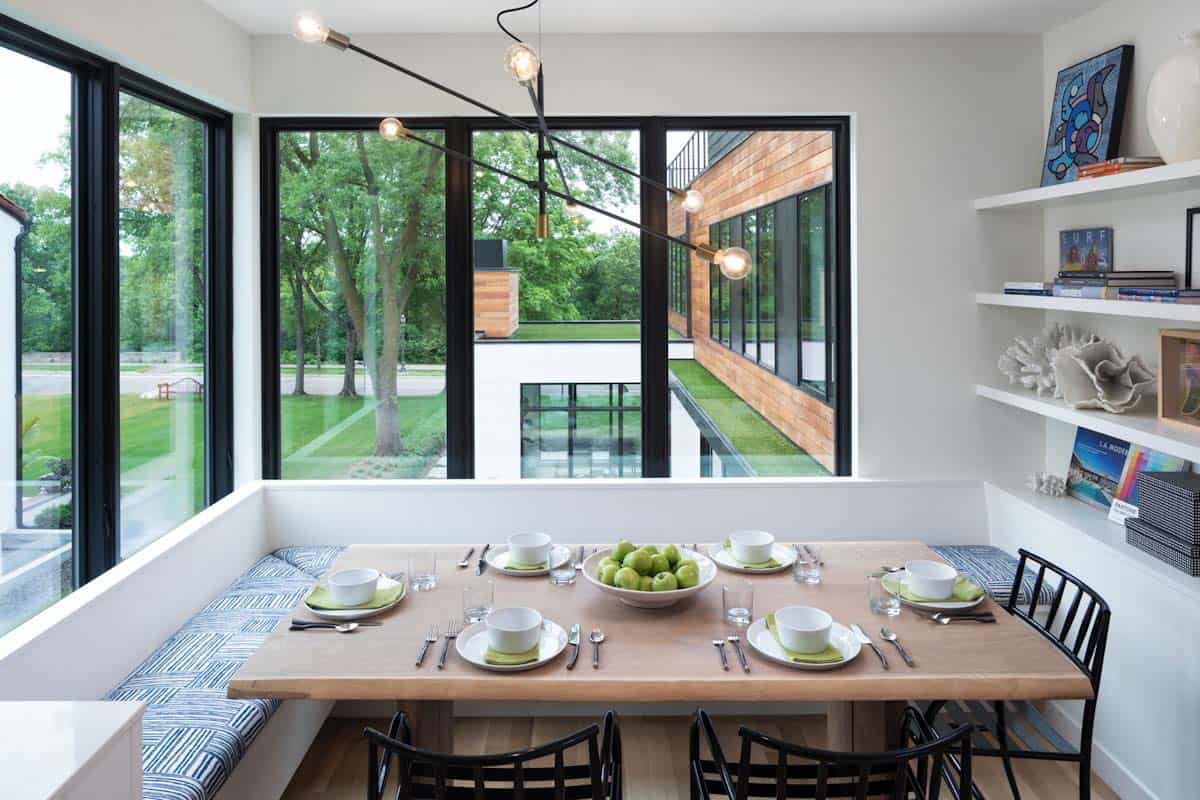
    Home designed for multi-generational living with Mississippi River views

    The Benefits of Multigenerational Living

    There are numerous advantages to this living arrangement. From shared financial responsibilities to emotional support, multigenerational living can enhance the quality of life for all family members. It’s also a way to ensure that aging parents receive the care and attention they deserve, while children can grow up with the guidance of multiple generations.

    Key Considerations for Multigenerational Renovations

    An Inclusive Approach to Design

    The foundation of a successful multigenerational renovation lies in inclusive design. This means creating spaces that are accessible and comfortable for individuals of all ages and abilities. Consider features such as wider doorways, no-step entries, and lever-style door handles for ease of use.

    Private vs. Shared Spaces

    One of the primary challenges in multigenerational living is balancing the need for private spaces with communal areas. Effective renovation plans should include a balance between private bedrooms and shared living spaces. This ensures that each family member has their own retreat while also fostering togetherness.

    Universal Design Principles

    Universal design principles are the backbone of a multigenerational home. These principles prioritize adaptability and flexibility in spaces. Features like adjustable countertops, grab bars in bathrooms, and open floor plans are essential for creating a universally accessible environment.

    Navigating the Renovation Process

    Setting Clear Goals

    Before you embark on your dream home makeover, it’s crucial to define your goals. What are your priorities for the renovation? Are you focusing on accessibility, privacy, or energy efficiency? Having a clear vision will guide your project from start to finish.

    Professional Guidance

    Multigenerational renovations often involve complex structural changes. Consulting with architects, interior designers, and contractors who specialize in such projects is essential. They can offer expert advice and ensure that your renovation aligns with local building codes.

    Budgeting Wisely

    A well-defined budget is crucial for any renovation project. Make sure to allocate funds for unforeseen expenses and prioritize areas that matter most to your family’s unique needs. Balancing quality and cost-effectiveness is key to a successful renovation.

    Multigenerational Living in Action

    Adaptable Living Spaces

    A multigenerational home should be adaptable to changing circumstances. Consider convertible furniture, movable partitions, and versatile layouts that can accommodate different family configurations over time.

    Accessory Dwelling Units

    If space allows, creating an accessory dwelling unit (ADU) can be a fantastic solution. An ADU provides a separate living space with its own amenities, offering both independence and proximity.

    Embracing Technology

    Technology plays a significant role in modern multigenerational living. Smart home features, like remote monitoring and voice-activated controls, can enhance safety and convenience for all generations.

    Conclusion

    In your quest for a dream home makeover that caters to multigenerational living, remember that it’s about creating a space where every family member feels valued and comfortable. By embracing inclusive design principles, seeking professional guidance, and carefully planning your renovation, you can achieve a harmonious and functional living environment that truly accommodates all generations.

  • Top Slot Tips: Maximize Your Winnings With Expert Advice

    Top Slot Tips: Maximize Your Winnings With Expert Advice

    Slot machines have been a staple in casinos around the world for decades, captivating players with their flashing lights, spinning reels, and exciting bonus features. Whether you’re a seasoned gambler or just looking to try your luck, slots offer a fun and thrilling gaming experience for everyone. With the rise of online casinos, slot games are more accessible than ever, allowing players to enjoy their favorite games from the comfort of their own home.

    In this article, we will explore the history of slot machines, how they work, and some tips to help you maximize your chances of winning. From classic fruit machines to cutting-edge video slots, there is a slot game out there for every type of player. So sit back, relax, and get ready to dive into the exciting world of slot machines.

    The Evolution of Slot Machines

    From their humble beginnings as mechanical devices with just a few simple symbols, slot machines have evolved into high-tech, digital marvels offering immersive gameplay experiences. Modern slots feature intricate themes, captivating graphics, and interactive bonus rounds that keep players engaged for hours on end. With the advent of online casinos, players can now enjoy a wide variety of slot games from the comfort of their own homes, anytime they want. The convenience and accessibility of online slots have revolutionized the way people gamble, making it easier than ever to spin the reels and win big.

    Maximizing Your Chances of Winning

    When it comes to playing slot machines, luck is undoubtedly a major factor in determining your success. However, there are some strategies you can employ to increase your chances of winning. One tip is to look for slots with a high return-to-player (RTP) percentage, as these machines are more likely to pay out winnings over time. Additionally, setting a budget and sticking to it can help you avoid overspending and ensure that you have an enjoyable gaming experience. By following these tips and keeping a level head, you can maximize your chances of hitting the jackpot when you play game online uus777.

    Overall, slot machines have come a long way from their mechanical origins to the high-tech, digital marvels of today. With the convenience of online casinos, players can easily access a wide variety of slot games and enjoy the thrill of spinning the reels anytime, anywhere. While luck plays a significant role in determining your success, employing strategies like looking for high RTP machines and setting a budget can help increase your chances of winning. So whether you’re a casual player or a seasoned gambler, maximize your chances of hitting the jackpot by following these tips and diving into the exciting world of slot machines.

  • Urban Hydroponics: Growing Fresh, Sustainable Food in the City

    Urban Hydroponics: Growing Fresh, Sustainable Food in the City

    Urban hydroponics is a transformative approach to agriculture that allows city dwellers to cultivate fresh, nutritious produce in small, often limited spaces. This innovative method leverages soilless growing techniques to address urban food challenges, reduce the carbon footprint associated with food transportation, and promote sustainable farming practices. In this 800-word blog post, we’ll explore the world of urban hydroponics, covering its benefits, essential components, best practices, and how it contributes to urban sustainability and food security. For more information regarding hydroponic plant one can visit our site https://hydroponicglobal.com.au/.

    Understanding Urban Hydroponics:

    Urban hydroponics is a form of soilless agriculture that enables the cultivation of plants in controlled environments within urban settings. This method eliminates the need for traditional soil and relies on nutrient-rich water solutions to deliver essential minerals directly to plant roots. Here’s how urban hydroponic systems typically work:

    1. Growing Infrastructure: Urban hydroponic setups can range from small balcony systems to vertical farms and rooftop greenhouses. These structures are designed to maximize space usage in urban environments.

    2. Hydroponic Systems: Various hydroponic systems, such as vertical towers, nutrient film technique (NFT), or deep-water culture (DWC), are employed depending on the available space and the crops to be grown.

    3. Nutrient Solution: A precisely formulated nutrient solution containing essential minerals and nutrients is continuously delivered to the plants, ensuring their optimal growth and development.

    4. Environmental Control: Urban hydroponic systems utilize technology to control environmental factors such as temperature, humidity, carbon dioxide levels, and lighting to create the perfect growing conditions.

    Advantages of Urban Hydroponics:

    1. Space Efficiency: Urban hydroponics maximizes space utilization, making it suitable for city dwellers with limited available land or space constraints.

    2. Year-Round Production: These systems enable year-round crop production, providing fresh produce regardless of external weather conditions.

    3. Resource Conservation: Urban hydroponics is highly resource-efficient, using less water and fewer synthetic pesticides and herbicides compared to traditional field agriculture.

    4. Local Food Production: By bringing food production closer to urban populations, urban hydroponics reduces the carbon footprint associated with long-distance food transportation.

    Setting Up an Urban Hydroponic System:

    Creating an urban hydroponic system involves several key steps:

    1. Location Selection: Choose a suitable location within the city, such as a balcony, rooftop, or indoor space, for your hydroponic setup.

    2. System Design: Select the appropriate hydroponic system based on the available space and the crops you intend to grow. Design the layout for maximum efficiency and ease of maintenance.

    3. Nutrient Solution Formulation: Work with experts to formulate nutrient solutions tailored to the specific needs of your chosen crops.

    4. Infrastructure Installation: Construct the necessary infrastructure, including growing beds, irrigation systems, environmental controls, and lighting systems.

    5. Plant Selection: Choose crops that are well-suited for urban hydroponic cultivation, taking into account market demand and your region’s climate.

    6. Maintenance and Monitoring: Regularly monitor and maintain the system, including nutrient levels, temperature, humidity, and plant health.

    Best Practices for Urban Hydroponics:

    To achieve success with urban hydroponics, consider the following best practices:

    1. Vertical Farming: In tight urban spaces, vertical farming systems, such as vertical towers or shelves, maximize space usage and increase crop yields.

    2. Diverse Crops: Experiment with a variety of crops to meet market demand and diversify your produce offerings.

    3. Data Monitoring: Implement sensors and monitoring systems to collect data on environmental conditions and crop health. Use this data to fine-tune your system.

    4. Efficient Lighting: Use energy-efficient LED lighting to supplement natural light and provide consistent illumination to plants.

    Contributing to Urban Sustainability:

    Urban hydroponics plays a vital role in promoting urban sustainability:

    1. Local Food Supply: By producing food locally, urban hydroponics reduces the environmental impact of long-distance food transportation.

    2. Resource Conservation: These systems are resource-efficient, conserving water and reducing the need for synthetic inputs.

    3. Green Spaces: Urban hydroponics can transform underutilized urban spaces into productive, green areas that enhance the urban environment.

    In conclusion, urban hydroponics offers a sustainable and efficient solution to the challenges of urban food production. By harnessing controlled environments, precise nutrient delivery, and innovative technology, urban hydroponic growers can produce fresh, nutritious produce in the heart of the city. Whether you’re a city dweller with limited space or an urban agriculture enthusiast, urban hydroponics provides an exciting opportunity to contribute to local food security and urban sustainability.

  • The Significance of Branded Packaging for Online Stores: Enhancing Identity and Customer Experience

    The Significance of Branded Packaging for Online Stores: Enhancing Identity and Customer Experience

    Mailing boxes australia for online stores is a crucial element that goes beyond functional purposes, playing a pivotal role in establishing brand identity, fostering customer loyalty, and creating memorable unboxing experiences. Here’s why branded packaging is essential for online stores:

    1. Visual Identity Establishment: Branded packaging reinforces a consistent visual identity across all touchpoints, enhancing brand recognition and recall.
    2. Memorable First Impressions: Branded packaging creates a positive and lasting first impression when customers receive their orders, setting the tone for their overall experience.
    3. Differentiation in a Crowded Market: In the competitive online landscape, branded packaging helps products stand out, capturing attention amidst numerous options.
    4. Unboxing Experience Enhancement: Branded packaging turns the unboxing process into a delightful and memorable moment, increasing customer satisfaction.
    5. Emotional Connection: Packaging with a brand’s visual elements fosters an emotional connection, making customers feel more connected to the brand.
    6. Brand Loyalty Cultivation: Recognizable packaging cultivates brand loyalty as customers associate positive experiences with the brand.
    7. Shareable Content: Appealing branded packaging often gets shared on social media platforms, providing free and authentic brand exposure.
    8. Direct Marketing Opportunity: Branded packaging serves as a platform for including marketing materials, promotions, or referral programs.
    9. Premium Perceived Value: Branded packaging elevates the perceived value of products, making them feel more exclusive and desirable.
    10. Storytelling and Brand Messaging: Packaging can tell a brand’s story, convey its values, and communicate a unique selling proposition.
    11. Consistency with Online Presence: Branded packaging ensures alignment between a brand’s online presence and physical product presentation.
    12. Customer Experience Enhancement: Branded packaging contributes to an overall positive customer experience, from browsing online to receiving the product.
    13. Positive Customer Reviews: Impressively branded packaging often leads to satisfied customers who are more likely to leave positive reviews and recommendations.
    14. Brand Trust and Professionalism: Well-designed packaging reflects a brand’s professionalism and commitment to quality, enhancing customer trust.
    15. Social Proof and Validation: Branded packaging signifies legitimacy, contributing to customer confidence in the authenticity of the product.
    16. Competitive Advantage: Online stores with branded packaging have an edge over competitors that offer generic or plain packaging.
    17. Repeat Business: Positive unboxing experiences through branded packaging encourage repeat purchases and customer loyalty.
    18. Unifying Online and Offline Experiences: Branded packaging bridges the gap between virtual shopping and tangible product receipt.
    19. Delve into the importance of branded packaging for online stores, understanding how it contributes to reinforcing identity and enriching the customer experience. This Source of Knowledge provides insights into the significant role that well-designed packaging plays in leaving a lasting impression and fostering brand loyalty.

    Conclusion: A Strategic Branding Tool

    Branded packaging for online stores is not just about delivering products—it’s a strategic tool that communicates a brand’s values, builds connections, and creates memorable moments. By investing in branded packaging, online stores transform the act of receiving a package into an opportunity to engage, captivate, and communicate the essence of the brand. Branded packaging is an integral part of the brand’s marketing strategy, contributing to recognition, loyalty, and long-term success in the dynamic world of e-commerce.